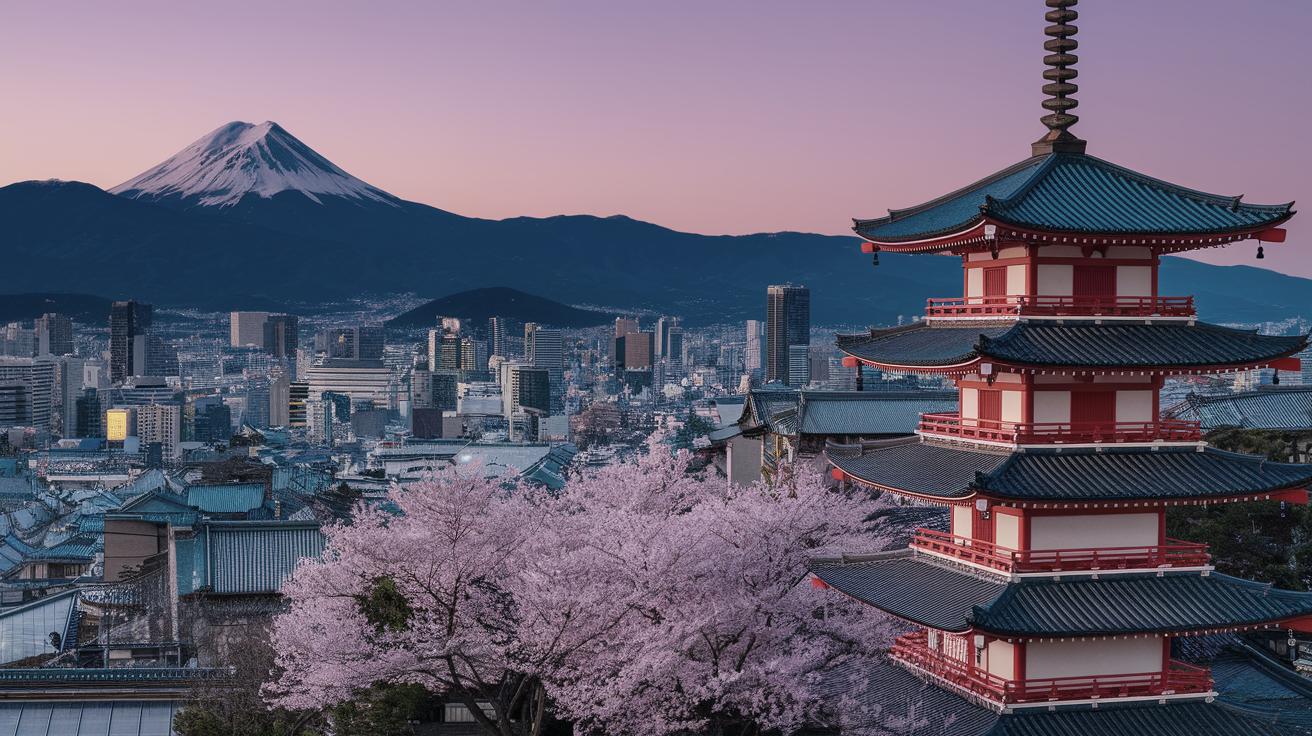
Best Itinerary for Japan
Japan is a country that effortlessly blends ancient traditions with cutting-edge modernity, offering a diverse array of experiences for every type of traveler. From the bustling streets of Tokyo to the serene temples of Kyoto, Japan promises unforgettable experiences, cultural insights, and culinary delights. In this guide, you will find an expertly crafted itinerary for first-time visitors, tips for hassle-free travel, and insights into the rich tapestry of sights and sounds that await you. Whether you’re in search of historical wonders, natural beauty, or urban adventures, this itinerary will help you navigate Japan’s wonders efficiently and memorably.
Entering Japan
1. Japan eVisa – Apply for Japan Visa Online (If you need one)
Before setting off on your journey, determine whether you require a visa for entry into Japan. Many nationalities can enter visa-free for a limited period, but some travelers will need to apply for a Japan eVisa. It’s a relatively straightforward process, typically done online, allowing you to upload necessary documents and receive confirmation before your trip.
Make sure to have all the required documents, such as a valid passport and recent photograph, ready for submission. Processing times can vary, so it’s advisable to apply several weeks in advance of your travel date.
2. Visit Japan Web for Immigration and Customs
Japan has streamlined its immigration process through the Visit Japan Web service. This portal allows you to complete necessary immigration, customs, and quarantine procedures online. Familiarize yourself with the process ahead of time to ensure a seamless entry experience.
Ensure that your passport is valid for at least six months beyond your planned stay, and that you have a return or onward ticket. Completing these procedures in advance can significantly reduce waiting times at immigration checkpoints upon arrival.
General tips for visiting Japan as first-timers
Japan’s unique culture and customs may feel foreign to first-time visitors, but with a bit of preparation, you can easily navigate them and make your visit enjoyable. Understanding basic etiquettes like removing shoes before entering a home or being quiet on public transport can make a big difference in your experience.
Additionally, it’s crucial to have some cash on hand, as not all places accept credit or debit cards. Having a Suica or Pasmo card, which are rechargeable smart travel cards, can also simplify using public transport.
Tax-Free Shopping in Japan
Japan is a paradise for shoppers, offering everything from the latest electronics to beautiful traditional crafts. Tourists can take advantage of tax-free shopping at participating stores, which is applicable to various goods such as clothing and cosmetics.
Generally, a minimum purchase amount is required to qualify for tax-free shopping, and you will need to present your passport at checkout. The tax-exemption process requires the shop to attach a record of purchase proof in your passport for customs inspection upon departure from Japan.
Handling your luggage in Japan
1. Takuhaibin: Send your luggage to your next destination
Japan offers a convenient luggage delivery service known as Takuhaibin, which allows you to send your bags from one location to another efficiently. This service can be particularly useful if you plan to travel around different cities without the hassle of managing heavy baggage.
2. Make use of the lockers at train stations
Most train stations in Japan have coin lockers where you can store your luggage temporarily. These lockers are available in various sizes and offer a practical solution for travelers wanting to explore a city without their bags.
3. Tourist Information Centers
Tourist Information Centers offer more than just guidance and maps; they often provide luggage storage services. This can be an excellent option when lockers are full or when you’re near a major hub offering such conveniences.
4. Storing your luggage at the hotel
Most hotels in Japan are accommodating when it comes to luggage storage. They often allow you to leave your bags before check-in or after check-out so that you can explore freely without constraints. Confirm this service when booking your accommodation to ensure peace of mind.
Japanese Rules and Etiquette: Do’s and Don’ts
Japan is a country with a deep respect for etiquette, which extends into everyday life. Understanding these can create a more harmonious and respectful visit. For instance, bowing is a traditional greeting—although as a visitor, a simple nod of the head will suffice.
It’s also considered polite to wait in lines patiently, offer your seat to elderly or disabled passengers on public transport, and avoid eating while walking. Respect the cultural norms to enrich your travel experience positively.
Useful daily phrases in Japanese
Knowing a few basic Japanese phrases can greatly enhance your travel experience, given that not everyone speaks English fluently. Phrases such as “Arigatou” (Thank you), “Sumimasen” (Excuse me), and “Eigo o hanasemasu ka?” (Do you speak English?) can be invaluable.
Carrying a phrasebook or having a translation app at your fingertips can help bridge the language gap, making interactions smoother and more personal.
How many days should I spend in Japan?
The ideal duration for a trip to Japan can vary, depending on your travel interests. However, a 10-day trip is usually sufficient for first-time visitors to enjoy the highlights along Japan’s Golden Route, which includes major attractions and diverse experiences.
Consider extending your stay if you have a special interest in Japanese culture, food, or history, or if you aim to explore off-the-beaten-path destinations beyond the common tourist trail.
Getting to and from the airport
Japan’s efficient transport system makes traveling to and from the airport straightforward. Major airports such as Narita, Haneda, and Kansai are well-connected to city centers through rapid train services, buses, and taxis.
Reserve your transport method in advance when necessary, especially during peak travel seasons, and familiarize yourself with routes and schedules for a hassle-free transfer.
Getting around in Japan
1. Taking Shinkansen when moving from one city to another
The Shinkansen, or bullet train, is an incredibly fast and convenient way to travel between cities in Japan. With speeds reaching up to 320 km/h and a reputation for punctuality, it offers a seamless travel experience.
2. Driving and renting a car
Renting a car can provide flexibility, especially in regions less served by public transport, such as rural areas or islands like Okinawa. Ensure you have an international driving permit and acquaint yourself with driving etiquette and road signs in Japan.
3. Domestic Flight
For longer distances, such as from Tokyo to Okinawa, domestic flights offer an efficient option. Japan’s major airlines, as well as budget carriers, operate frequent flights across the islands, and booking in advance can save costs.
4. Getting around within a city using public transport
Japan’s cities boast extensive public transportation systems, including subways and buses, which make getting around convenient. Purchase a prepaid card like Suica or Pasmo for easy access across various modes of transport.
5. Taking a taxi in Japan
While taxis are more expensive than public transport, they are highly convenient and safe. Taxis are readily available, and drivers are known for their professionalism. Make sure to have your destination written in Japanese if it’s not a well-known spot.
Seasons in Japan: When is the best time to go to Japan?
1. Winter (December to end of February)
Winter in Japan is perfect for ski enthusiasts, with regions like Hokkaido turning into winter wonderlands. Alternatively, urban areas such as Tokyo celebrate various festive illuminations during this time.
2. Spring (March to May)
Spring is perhaps the most iconic season, with cherry blossoms adding a magical touch to landscapes. Hanami, or flower viewing, becomes a national pastime, and parks and gardens teem with visitors reveling in the beauty.
3. Summer (June to September)
Summer in Japan is known for its vibrant festivals and fireworks. Although the weather is hot and humid, coastal regions offer beautiful beaches for respite, and highland areas like Nagano offer cooler climates.
4. Autumn (October to early December)
Autumn is marked by stunning foliage and comfortable weather, making it ideal for sightseeing and trekking. The vivid reds and oranges of momiji leaf-viewing are just as captivating as the sakura of spring.
Costs in Japan: How much does a trip to Japan cost?
The cost of a trip to Japan can vary depending on factors such as accommodation, dining choices, and activities. On average, a daily budget could range anywhere from $100-$300 USD per person, covering moderate accommodation, meals, and transportation.
Look for deals and passes, such as the Japan Rail Pass for trains or hotel packages, which offer significant savings. Planning your itinerary in advance and allocating budget carefully allows you to enjoy Japan without financial worry.
The 10-Day Golden Route Itinerary for first-time visitors
This itinerary focuses on Japan’s most iconic destinations, suitable for first-time visitors eager to explore cultural sights and urban adventures. Each segment of the trip introduces you to different facets of Japan’s rich culture and heritage.
Day 1 to 3: Tokyo
Day 1: Walk through Yoyogi Park, Harajuku, Omotesando, and Roppongi
Begin your Tokyo adventure with a leisurely stroll through Yoyogi Park, a lush green space ideal for relaxation. Continue to Harajuku, known for its quirky fashion and youth culture, and venture into Omotesando for luxury shopping and high-end dining.
Day 2: Explore Shibuya and Shinjuku
Day two in Tokyo is best spent exploring Shibuya, with its famous crossing and vibrant atmosphere. Head to Shinjuku in the evening for skyscraper views, entertainment, and some of the best nightlife in the city.
Day 3: Check out Akihabara, Ueno Park, and Asakusa
Akihabara is a must for tech lovers and anime fans. Afterwards, relax in Ueno Park, home to several museums and a beautiful zoo. End the day in Asakusa, famous for Sensoji Temple and traditional shopping streets.
Where to stay in Tokyo
Tokyo offers a range of accommodations from luxury hotels to budget hostels. Consider staying in areas like Shibuya, Shinjuku, or Asakusa for convenient access to attractions and transport links.
Read more posts related to Tokyo
Explore our detailed guides and posts about Tokyo to enrich your understanding and planning, ensuring you don’t miss any hidden gems or significant landmarks.
Day 4 to 5: Hakone or Lake Kawaguchi
Option 1: Hakone
Hakone, part of Fuji-Hakone-Izu National Park, offers serene hot springs, traditional ryokans, and impressive views of Mount Fuji. Don’t miss the scenic boat rides on Lake Ashi or the unique outdoor Hakone Open-Air Museum.
Option 2: Fuji Five Lakes
For those drawn to nature, visiting the Fuji Five Lakes region provides incredible views of Mount Fuji, tranquil landscapes, and numerous outdoor activities. Lakes like Kawaguchiko offer picturesque photo opportunities and nature trails.
Travel time: Getting to Osaka from Hakone
To proceed to Osaka, take the Hakone Tozan Railway to Odawara, where you can catch the Shinkansen bullet train to Shin-Osaka Station. The journey is efficient and offers stunning vistas along the way.
Day 6 to 7: Kyoto
Day 6: Explore the essentials of Kyoto
Kyoto, a city steeped in history, is best known for its classical Buddhist temples, as well as gardens, imperial palaces, Shinto shrines, and traditional wooden houses. Begin with visits to Kiyomizu-dera, Kinkaku-ji (Golden Pavilion), and Gion District.
Day 7: Visit Arashiyama
On your second day in Kyoto, head to Arashiyama. The famous Bamboo Grove provides an ethereal walking experience, and nearby you can explore Iwatayama Monkey Park or take a boat ride on the Hozu River.
Where to stay in Kyoto
Kyoto offers a variety of lodging options, from luxury ryokans to budget-friendly hostels. Staying in central Kyoto such as near Kyoto Station can provide easy access to transportation and the city’s sights.
Day 8: Nara
Where to stay in Nara
Nara, known for its historical treasures, is easily explored on a day trip from Kyoto or Osaka. If staying overnight, central areas near Nara Park or the train station provide convenience and accessibility to key attractions.
Day 9 to 10: Osaka
Day 9: Explore Osaka must-do’s
Osaka is vibrant with its own distinct charm and culinary culture. Spend the day exploring Osaka Castle, Dotonbori’s bustling streets, and trying the local specialties like takoyaki and okonomiyaki.
Day 10: See Osaka from above
Conclude your Japanese adventure by seeing Osaka from one of its many observation points, such as the Umeda Sky Building or the Harukas 300 observation deck, offering panoramic city views.
Where to stay in Osaka
Osaka offers many lodging options catering to different budgets. Areas like Namba, Shinsaibashi, and Umeda are recommended for their central location and proximity to trains and attractions.
Read more posts related to Osaka
Delve deeper into Osaka’s rich history, culture, and attractions with our in-depth blog posts and travel guides complementing your itinerary.
Other places in Japan worth checking out
1. Short trips from Tokyo
Consider day trips from Tokyo to nearby gems like Yokohama, Nikko for its world heritage sites, or Kamakura for its iconic Great Buddha. These trips provide enriching experiences close to the capital.
2. Short trips from Osaka
Within easy reach from Osaka are Kyoto and Nara, already part of our itinerary, but also lesser-traveled destinations like Himeji with its stunning castle, or Kobe known for its beef and cosmopolitan flair.
3. Self-driving itinerary around Nagano Prefecture
Explore Nagano’s natural beauty and cultural sites with a self-drive itinerary. Visit places like the Jigokudani Monkey Park, Matsumoto Castle, or the picturesque village of Shirakawa-go.
4. Hokkaido
Hokkaido – Japan’s northernmost island known for its stunning natural landscapes, expansive national parks, and top-tier winter sports venues. In summer, the flower fields of Furano become a mesmerizing sight.
5. Kyushu
Kyushu offers a mix of vibrant cities and beautiful nature spots. Explore Fukuoka’s liveliness, the volcanic landscape of Aso, and the historic charm of Nagasaki to diversify your Japanese experience.
What to eat in Japan
Japan invites food lovers with an array of traditional and contemporary culinary delights. From sushi and ramen to regional specialties like Hiroshima’s okonomiyaki and Hokkaido’s fresh seafood, the choice is endless and captivating.
Participate in local food tours or cooking classes for a deep dive into the culinary arts, helping you understand the intricate flavors and methods behind Japan’s famous cuisine.
More useful posts about Japan
Explore additional blog posts that cover critical travel tips, hidden attractions, and deeper insights into Japanese culture. These resources can complement your itinerary, ensuring a richer travel experience.
Summary of Main Points
| Section | Highlights |
|---|---|
| Entering Japan | Visa requirements and using the Visit Japan Web service. |
| General Tips | Understanding etiquette, preparing for cash use, and travel cards. |
| Tax-Free Shopping | Eligibility and process for tax-free benefits. |
| Luggage Handling | Tips on managing luggage via Takuhaibin, lockers, and hotels. |
| Rules and Etiquette | Understanding Japan’s cultural do’s and don’ts. |
| Useful Phrases | Daily Japanese phrases for tourists. |
| Days Needed | Recommended travel duration and planning. |
| Airport Transfer | Using public transport to and from the airport. |
| Getting Around | Details on Shinkansen, cars, flights, and city transport. |
| Seasons | Best times to visit Japan by season. |
| Costs | Understanding the budgeting for a trip. |
| Golden Route Itinerary | 10-day detailed itinerary for first-timers. |
| Other Places | Additional recommended destinations in Japan. |
| Food | Must-try Japanese cuisine. |